Shipping: online workshop on December 3
Published 29 October 2026
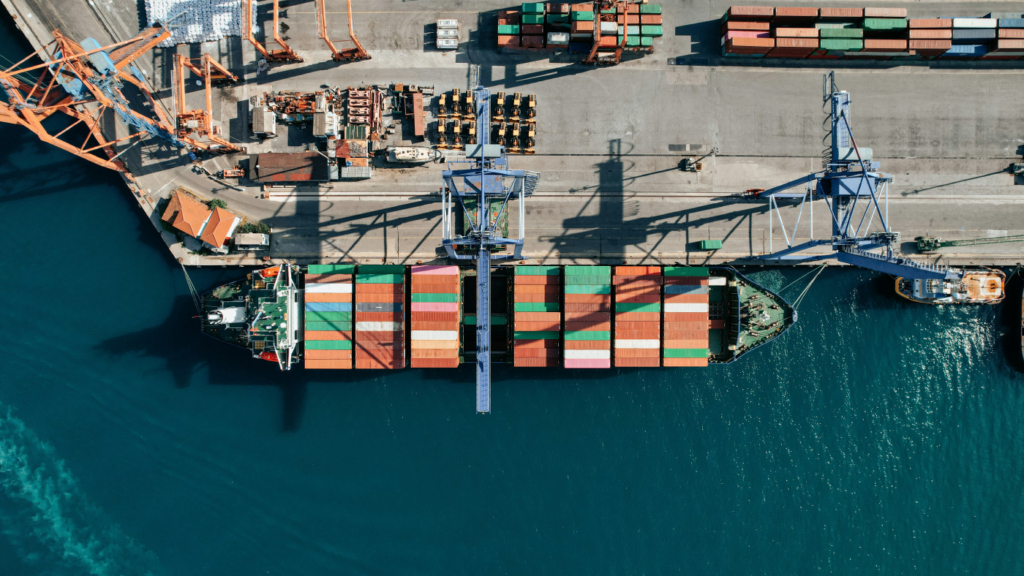
Reducing environmental impact without compromising global supply chain efficiency is the greatest challenge of modern shipping. Like the entire transport and mobility sector, the maritime segment is undergoing a deep transformation driven by “disruptive” innovations: accelerating decarbonization, integrating artificial intelligence, and reorganizing intermodal services. To throw light on these historical changes, Cluster Trasporti is promoting the online workshop “Sustainability for Maritime Transport”, scheduled for December 3, 2026 at 2:30 PM. The event will offer a discussion forum between technical experts and specialists in the sector, who will analyze the current scenario starting from the results of an initial analytical survey developed by the Cluster.
From engines to ports: the energy supply chain transition
The transition toward a low-emission model requires radical interventions on the architecture of maritime transport itself. On one hand, it is necessary to optimize the efficiency of current systems and rethink engine technology; on the other hand, encouraging the introduction of alternative fuels, such as liquefied natural gas (LNG), green hydrogen, and biofuels, appears indispensable. However, the actual effectiveness of these clean solutions remains strictly dependent on adapting port infrastructure, which is called upon to ensure effective availability for bunkering operations along commercial routes.
Algorithms and Digital Twins for optimization at sea
Concurrently with this transformation, the impact of digital technologies is also strongly felt in both the initial design phase and the operational management of navigation. More specifically, the use of computer decision support systems (DSS) allows for real-time identification of the most suitable route, reducing fuel consumption and travel times. At the same time, the combination of advanced sensors and digital models, so-called Digital Twins, provides a continuous overview of actual transport conditions. This entire technological ecosystem makes it possible to optimize operations, preventing sudden breakdowns through predictive maintenance and supplying shipowners with reliable data to guide management choices.
Associazione Cluster Trasporti Italia 2020
Viale Pasteur, 10 00144 Roma
TEL +39 06 54221493 (4)
FAX +39 06 54221418
CF 97794560587
EMAIL cluster.trasporti@anfia.it